
Disclaimer: “Outcomes will vary between individuals. No claims are being made with regenerative therapies. The FDA considers stem cell therapy experimental.”

Neurologic Conditions

Neurologic conditions are disorders and injuries that affect the nervous system, which includes the brain, spinal cord, and nerves throughout the body. These conditions can impact movement, sensation, cognition, coordination, mood, or other bodily functions controlled by the nervous system.

Attention-Deficit/Hyperactivity Disorder (ADHD)

What is it?

A neurodevelopmental disorder characterized by inattention, hyperactivity, and impulsivity. It often affects academic performance, work, and social relationships if not properly managed.

  • Often diagnosed in children, but symptoms can persist into adulthood
  • Can affect both boys and girls, though boys are more frequently diagnosed
  • Difficulty paying attention or staying focused
  • Hyperactive or restless behavior
  • Impulsivity and acting without thinking
  • Trouble organizing tasks or following instructions
  • Behavioral therapy
  • Educational interventions
  • Stimulant and non-stimulant medications

Autism Spectrum Disorder (ASD)

What is it?

A developmental disorder affecting communication, social interaction, and behavior. Symptoms vary widely. It often appears in early childhood and can impact learning, daily functioning, and relationships throughout life, with individuals showing a wide range of abilities and challenges.

  • Typically identified in early childhood, often before age 3
  • More common in boys than in girls
  • Can affect individuals across all racial, ethnic, and socioeconomic groups
  • Trouble with speech and nonverbal communication
  • Difficulty with social interactions
  • Repetitive behaviors or intense interests
  • Sensory sensitivities to sights, sounds, or textures
  • Behavioral therapy (ABA)
  • Speech and occupational therapy
  • Social skills training
  • Sometimes medications for co-occurring symptoms

Amyotrophic Lateral Sclerosis (ALS)

What is it?

A progressive neurodegenerative disease that affects nerve cells controlling voluntary muscles, leading to muscle weakness and paralysis. It gradually impairs movement, speech, swallowing, and breathing, while cognitive function usually remains intact.

  • Typically affects adults between the ages of 40 and 70
  • Slightly more common in men than in women
  • Can occur in any racial or ethnic group
  • Muscle weakness and twitching
  • Slurred speech and swallowing difficulties
  • Trouble with coordination and walking
  • Breathing difficulties as the disease progresses
  • Supportive care includes physical therapy and respiratory support
  • Certain medications to help slow disease progression

Alzheimer’s Disease

What is it?

A progressive brain disorder causing memory loss, cognitive decline, and behavioral changes. It gradually impairs the ability to perform everyday tasks, communicate effectively, and maintain independence.

  • Most common in older adults, usually over 65
  • Risk increases with age
  • Can affect individuals across all racial and ethnic groups
  • Memory loss affecting daily life
  • Difficulty planning or solving problems
  • Confusion with time or place
  • Changes in mood, personality, or behavior
  • Medications to manage symptoms (e.g., cholinesterase inhibitors)
  • Cognitive therapy
  • Lifestyle support
  • Caregiver assistance

Concussions and Micro-concussions

What is it?

Brain injuries caused by a blow or jolt to the head that can lead to temporary cognitive, emotional, or physical symptoms. Repeated or micro-concussions can accumulate over time, increasing the risk of long-term brain damage. It typically involves: 

  • Brain Movement: The brain sloshes or rotates inside the skull, injuring delicate nerve fibers and blood vessels.
  • Energy Crisis: This impact causes a sudden energy imbalance, making brain cells temporarily unable to function normally.
  • Chemical Release: Neurotransmitters are released, leading to temporary chemical disruptions.
  • Cellular Stress: Neurons get stretched and bruised, disrupting communication


  • Athletes in contact sports
  • Military personnel
  • Accident victims
  • Headache or pressure in the head
  • Confusion or memory problems
  • Dizziness or balance issues
  • Sensitivity to light or noise
  • Change in mood
  • Rest
  • Gradual return to activity
  • Symptom management
  • Cognitive rehabilitation

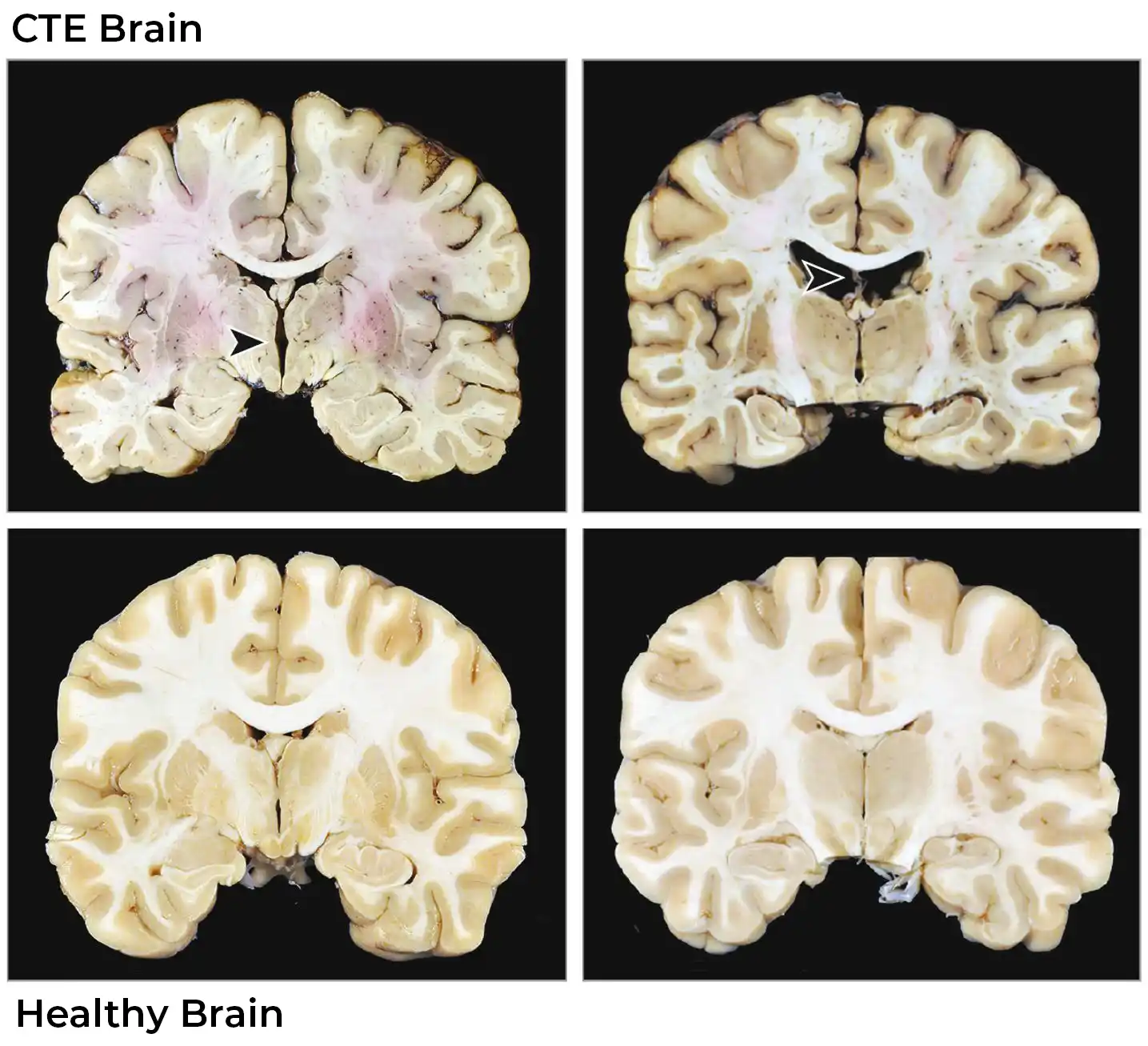
Chronic Traumatic Encephalopathy (CTE)

What is it?

A degenerative brain condition linked to repeated head trauma, leading to cognitive decline, mood disorders, and behavior changes. Symptoms may appear years after injury and progressively worsen, affecting memory, judgment, and emotional regulation.

Diagnosis is currently only definitive through brain tissue analysis after death, though clinical criteria (Traumatic Encephalopathy Syndrome – TES) are used for living patients. 
  • Former athletes in contact sports
  • Military veterans with repeated head injuries
  • Memory loss and cognitive difficulties
  • Mood swings, depression, or anxiety
  • Impulsivity and aggression
  • Behavioral changes and poor judgment

Migraines and Chronic Headaches

What is it?

Severe, often recurring headaches sometimes accompanied by nausea, sensitivity to light, or visual disturbances. Chronic forms can disrupt daily life, work, and social interactions, reducing overall quality of life.

  • Adults and adolescents
  • More common in women
  • Can occur in all populations
  • Intense, throbbing headache
  • Nausea or vomiting
  • Sensitivity to light and sound
  • Visual disturbances or aura
  • Lifestyle modifications (sleep, diet, stress management)
  • Pain-relief medications
  • Preventive medications
  • Neuromodulation therapy

Parkinson’s Disease

What is it?

A progressive neurodegenerative disorder affecting movement, causing tremors, stiffness, and slowed movement. Over time, it can also impair speech, writing, balance, and the ability to carry out daily activities independently.

  • Usually, adults over 60
  • More common in men than in women
  • Can occur in any racial or ethnic group
  • Tremors, usually starting in the hands or fingers
  • Muscle stiffness and rigidity
  • Slowed movement (bradykinesia)
  • Balance and coordination difficulties
  • Medications (such as dopamine agonists)
  • Physical therapy
  • Occupational therapy
  • Deep brain stimulation (DBS) in some cases

Post-Traumatic Stress (PTSD)

What is it?

A psychiatric disorder triggered by traumatic events, causing flashbacks, anxiety, and emotional distress. Symptoms can persist long after the trauma, interfering with relationships, work, and overall mental health.

  • Trauma survivors
  • Military veterans
  • Victims of violence or accidents
  • Flashbacks or intrusive memories
  • Anxiety or hyperarousal
  • Avoidance of reminders of trauma
  • Emotional numbness or irritability
  • Psychotherapy (CBT, EMDR)
  • Medications (antidepressants, anti-anxiety)
  • Supportive care and counseling

Traumatic Brain Injury (TBI)

What is it?

Brain dysfunction caused by an external force, ranging from mild (concussion) to severe. It affects cognition, emotions, and physical abilities. Long-term effects may include memory loss, personality changes, impaired motor skills, and difficulty with daily functioning.

  • Accident victims
  • Athletes in contact sports
  • Military Personnel
  • Headaches and dizziness
  • Memory and concentration problems
  • Mood changes or irritability
  • Physical impairments, including balance and coordination issues
  • Rehabilitation (physical, occupational, speech therapy)
  • Medications for symptom management
  • Surgery in severe cases
  • Supportive care for long-term recovery

Contact Our Care Team to Learn More

Don’t face your condition alone. Our experienced team specializes in advanced, personalized therapy options. Contact us today and start your journey. Call us (703) 646-9145 or email us at info@novastemcells.com