Disclaimer: “Outcomes will vary between individuals. No claims are being made with regenerative therapies. The FDA considers stem cell therapy experimental.”
Regenerative therapies are not only defined by the biologics themselves, but also by how they are delivered. We utilize several specialized delivery pathways designed to introduce regenerative biologics through targeted routes in the body, allowing clinicians to thoughtfully consider how biologics can best reach targeted systems or tissues. These therapies support individualized care based on clinical context, anatomy, and treatment goals.
| Therapy | Primary Delivery Pathway | Target Areas Of The Body | How Biologics Are Introduced | Why This Method Is Used |
|---|---|---|---|---|
| ViaNase Brain Therapy | Nose-to-brain neurological pathway | Brain and central nervous system pathways associated with cognition and neurological signaling | A specialized device delivers regenerative biologics through the nasal cavity toward the olfactory region using controlled atomization and airflow. | A non-invasive pathway that delivers biologics beyond the blood-brain barrier directly into the brain. |
| Intravenous (IV) Therapy | Circulatory system | Whole-body distribution through the bloodstream | Regenerative biologics are infused directly into a vein through a controlled intravenous infusion. | Allows clinicians to introduce biologics systemically so they circulate through multiple organs and physiological systems. |
| Ultrasound-Guided Injection Therapy | Localized musculoskeletal delivery | Joints, tendons, ligaments, and surrounding soft tissue | Using ultrasound imaging, clinicians guide a needle to deliver regenerative biologics directly into a targeted structure. | Enables precise placement of biologics into a specific anatomical location. |
| Nebulizer Lung Therapy | Respiratory inhalation pathway | Airways and lung surfaces | A nebulizer converts liquid biologics into a fine mist that is inhaled through a mouthpiece or mask. | Provides a non-invasive way to introduce biologics directly to the respiratory system. |
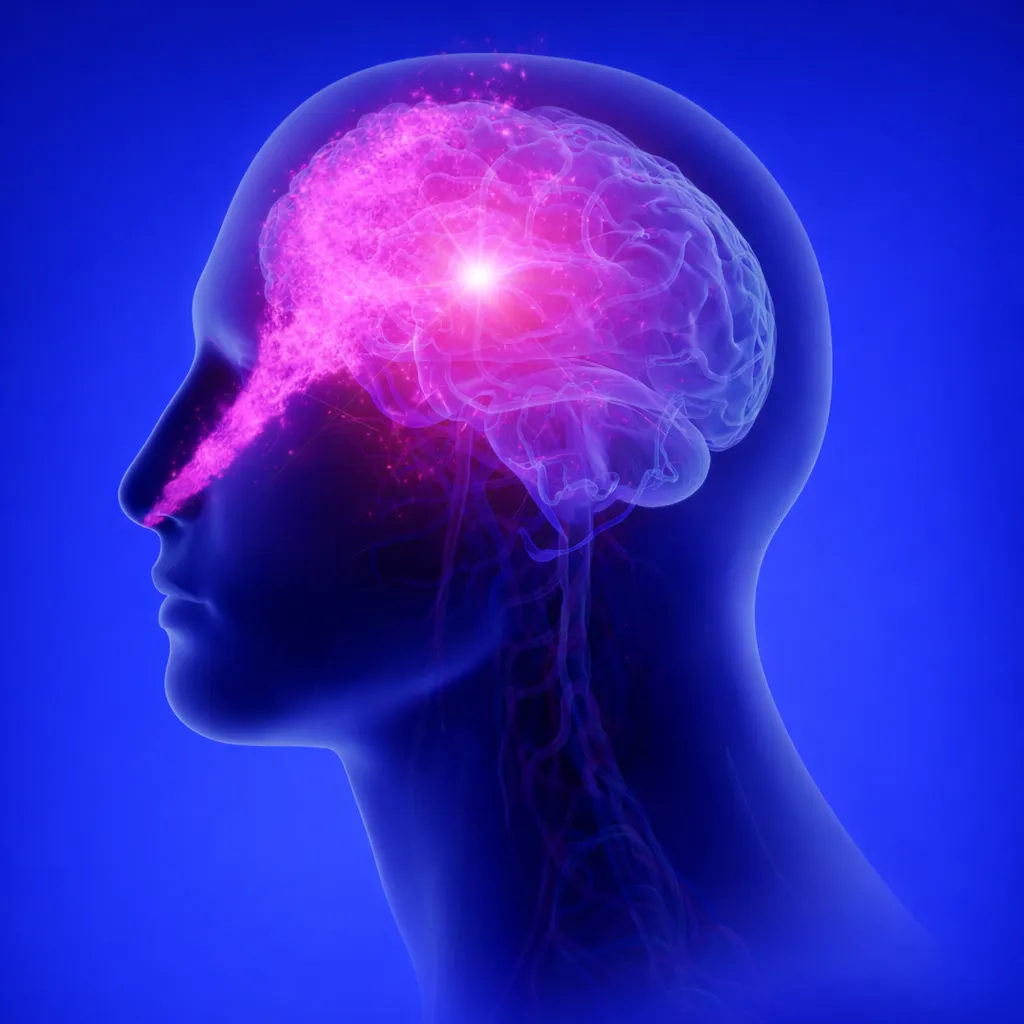
ViaNase Brain Therapy uses a specialized nose-to-brain delivery pathway designed to introduce regenerative biologics through the nasal cavity directly into the brain.
ViaNase technology delivers biologics through the nasal passages into the brain. The easy-to-use device is engineered to control droplet size, atomization rate, airflow, and delivery velocity to deliver biologics past the blood-brain-barrier directly into the brain.
Using the non-invasive nose-to-brain route, the ViaNase avoids systemic circulation and allows clinicians to explore delivery strategies that interact with pathways associated with cognitive and neurological function.
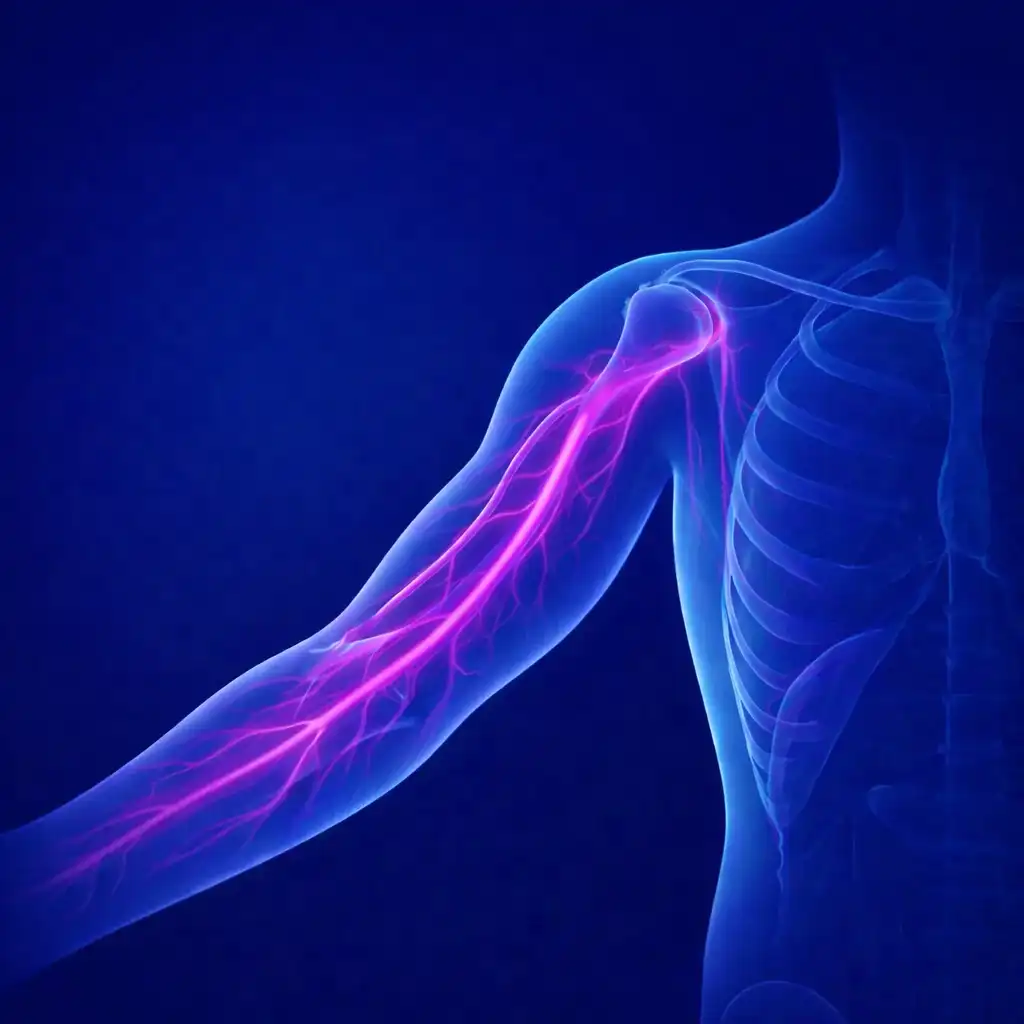
Intravenous therapy delivers regenerative biologics directly into the bloodstream, allowing distribution through the body’s circulatory system.
Regenerative biologics are introduced through a controlled intravenous infusion administered by trained medical professionals. Once in the bloodstream, the biologics circulate throughout the vascular system and are carried to multiple organs and tissues.
IV delivery allows clinicians to explore a systemic administration approach when broad distribution of biologics throughout the body is desired. Circulatory delivery allows biologics to interact with multiple physiological systems as they travel through the bloodstream.
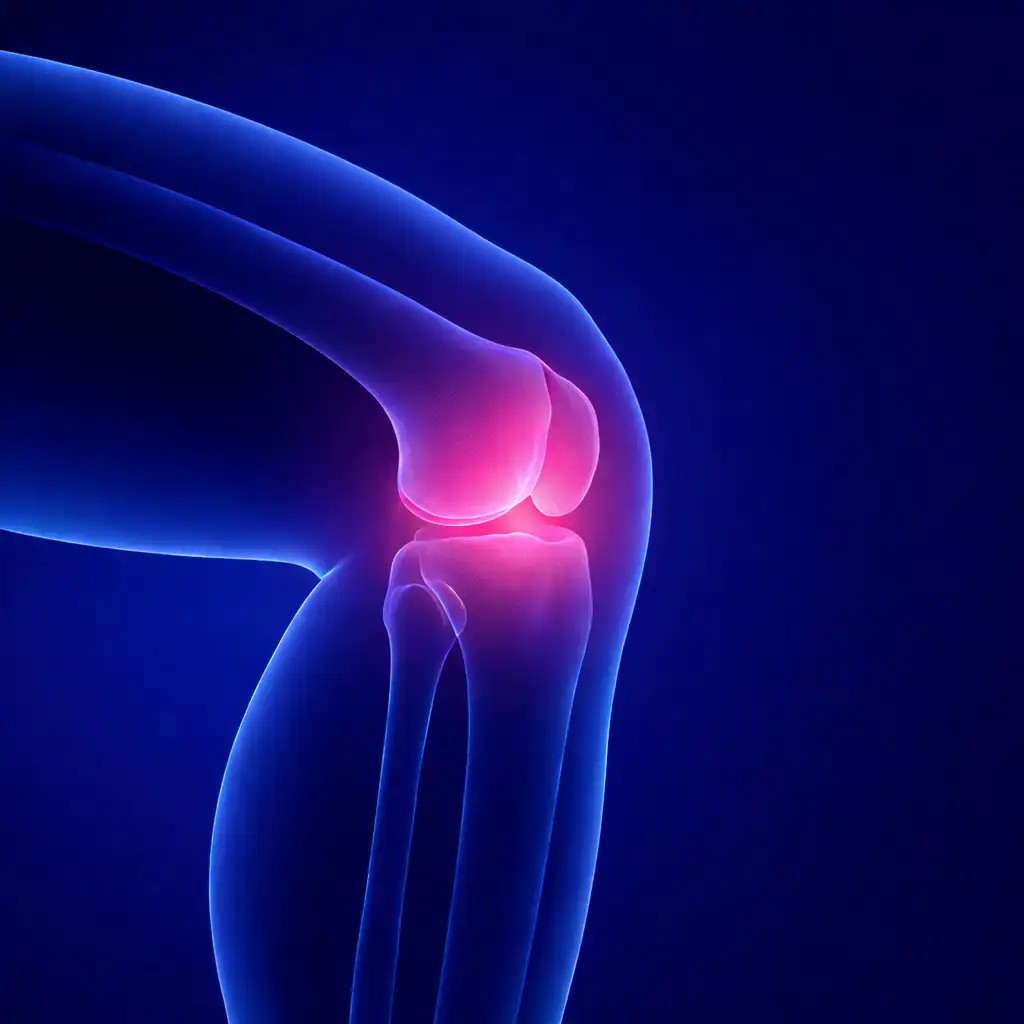
Injection therapy introduces regenerative biologics directly into specific musculoskeletal structures using imaging guidance.
Using ultrasound-guided imaging, clinicians can visualize joints, tendons, ligaments, and surrounding soft tissues in real time. Regenerative biologics are then carefully introduced into the targeted area using precision injection techniques designed to support accurate placement.
Targeted injection allows clinicians to focus delivery of biologics into localized anatomical structures. Imaging guidance supports precise administration while minimizing exposure to surrounding tissues.
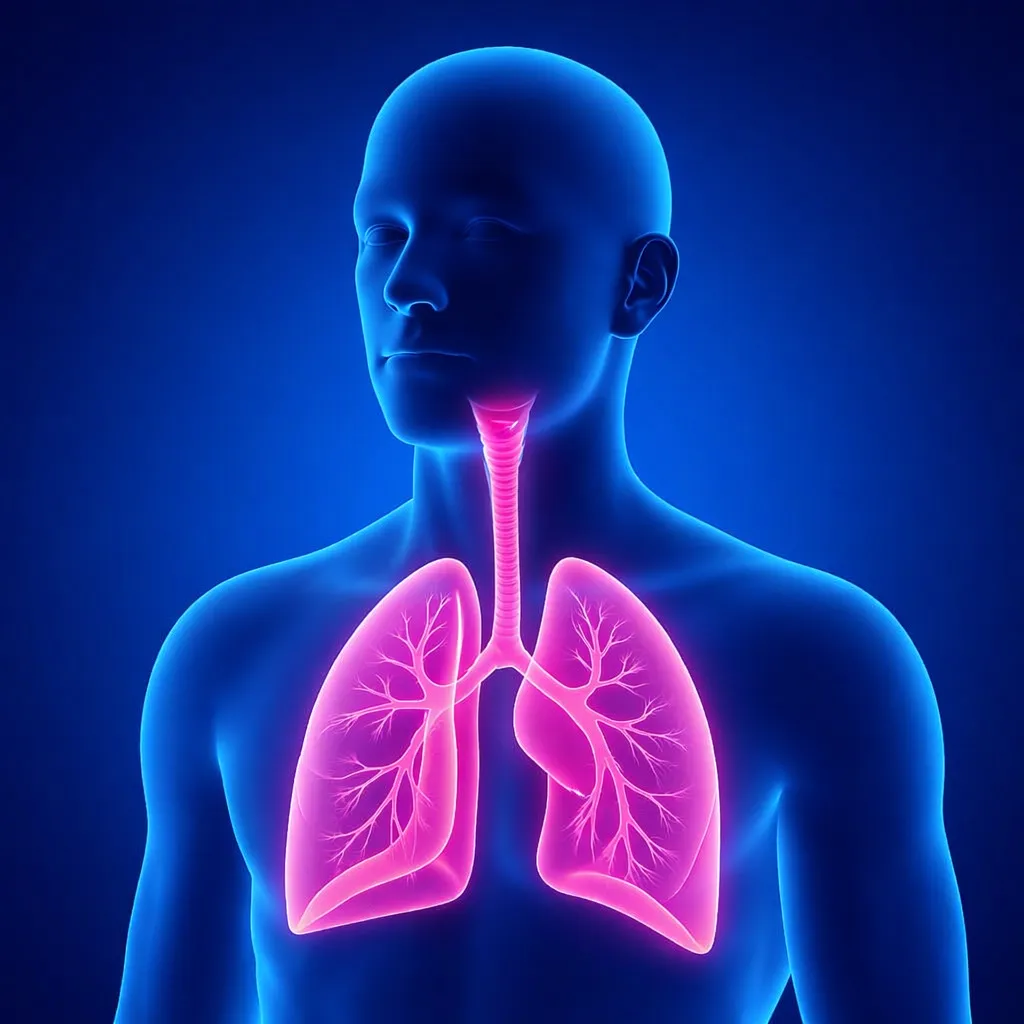
Nebulizer therapy delivers regenerative biologics in the form of inhalable micro-particles designed for respiratory administration.
A nebulizer device converts liquid biologics into a fine mist that is inhaled through a mouthpiece or mask during normal breathing. The aerosolized particles travel through the airways and may reach deeper portions of the respiratory system depending on particle size and breathing pattern.
Inhalation delivery provides a pathway for introducing biologics directly to the respiratory tract. This approach allows clinicians to explore administration strategies that interact with airway and lung surfaces without requiring injections or systemic infusion.