
Disclaimer: “Outcomes will vary between individuals. No claims are being made with regenerative therapies. The FDA considers stem cell therapy experimental.”
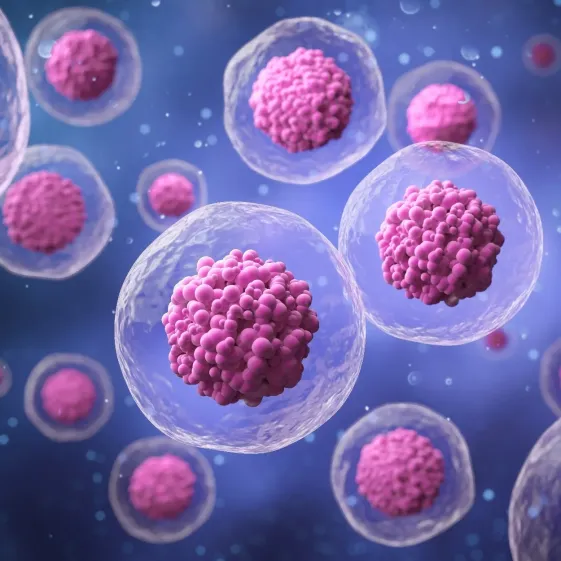
Stem cells are often referred to as the body’s “master cells.” These unspecialized cells have the unique ability to self-renew (create more stem cells) and differentiate into specialized cells such as muscle, nerve, blood, or heart cells.
They play a vital role in growth, tissue maintenance, and the body’s natural repair processes. Because of these capabilities, researchers worldwide continue studying stem cells for their potential role in supporting cellular health and regenerative science.
While ongoing studies show promising developments, stem cell applications remain an area of active scientific research.
Mesenchymal Stem Cells (MSCs) are among the most widely researched adult stem cells. Scientists study them for their role in supporting tissue structure and influencing surrounding cells through signaling processes.
Research is exploring their potential involvement in:
• Orthopedic tissue environments
• Neurological research models
• Inflammatory response studies
• Cellular repair signaling
MSCs are valued for their adaptability and ongoing investigation in regenerative science.
Exosomes are tiny extracellular vesicles released by cells. Think of them as microscopic messengers that help cells communicate with each other.
Researchers study exosomes because they:
• Carry proteins and genetic material
• Influence cell-to-cell communication
• Participate in biological signaling pathways
Exosome research focuses on understanding how cellular communication may impact tissue environments.
The secretome refers to the collection of bioactive substances released by cells, including growth factors and signaling molecules.
Instead of focusing on the cell itself, secretome research examines how these released substances:
• Support cellular environments
• Influence biological responses
• Contribute to regenerative signaling
This area of research helps scientists better understand the body’s internal communication systems.
The origin of biologic materials plays a critical role in safety, ethical responsibility, and research quality. NOVA Stem Cells focuses exclusively on ethically sourced and responsibly handled materials.
Umbilical cord tissue is widely researched due to its concentration of regenerative biologic components. Collection occurs only after a healthy, full-term birth and does not cause harm to the mother or newborn.
Wharton’s Jelly is a gelatinous substance within the umbilical cord and is recognized in research as a source of mesenchymal stem cells and signaling factors.
Ethical integrity is a foundational principle in regenerative biologic sourcing.
All materials are:
Strict compliance protocols ensure responsible and ethical handling.
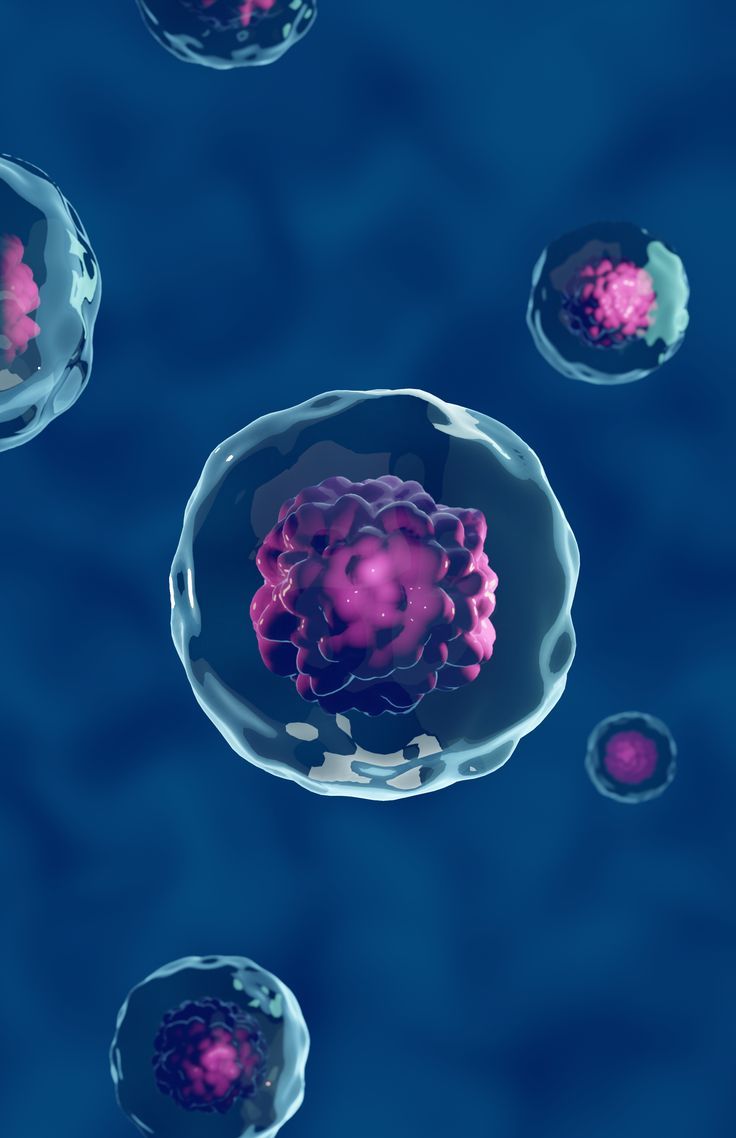
Umbilical cord tissue is widely researched due to its concentration of regenerative biologic components. Collection occurs only after a healthy, full-term birth and does not cause harm to the mother or newborn.
Wharton’s Jelly is a gelatinous substance within the umbilical cord and is recognized in research as a source of mesenchymal stem cells and signaling factors.
Ethical integrity is a foundational principle in regenerative biologic sourcing.
All materials are:
This content is for educational purposes only. NOVA Stem Cells does not make medical claims or provide medical advice.
Stem cell-related biologic materials fall under FDA regulation and oversight. While regulated, these materials are not FDA-approved for the treatment of specific diseases or medical conditions. Research is ongoing to evaluate their applications.
All biologic materials undergo:
• Independent third-party laboratory testing
• Screening for communicable diseases
• Controlled processing standards
These measures help maintain safety and quality benchmarks.
Our protocols are informed by available research, years of clinical experience, and the insights of collaborating physicians and medical advisors. Approaches are continuously reviewed in consideration of emerging scientific evidence.
This content is for educational purposes only. NOVA Stem Cells does not make medical claims or provide medical advice.
Stem cells are the body’s “master cells”: unspecialized cells that can create more stem cells (self-renew) and transform into various specialized cells (like blood, brain, or muscle cells) through differentiation, acting as the body’s repair system and building blocks for tissues and organs. Found in embryos, umbilical cords, and adult tissues, they are crucial for growth, repair, and potentially treating diseases like paralysis or heart disease
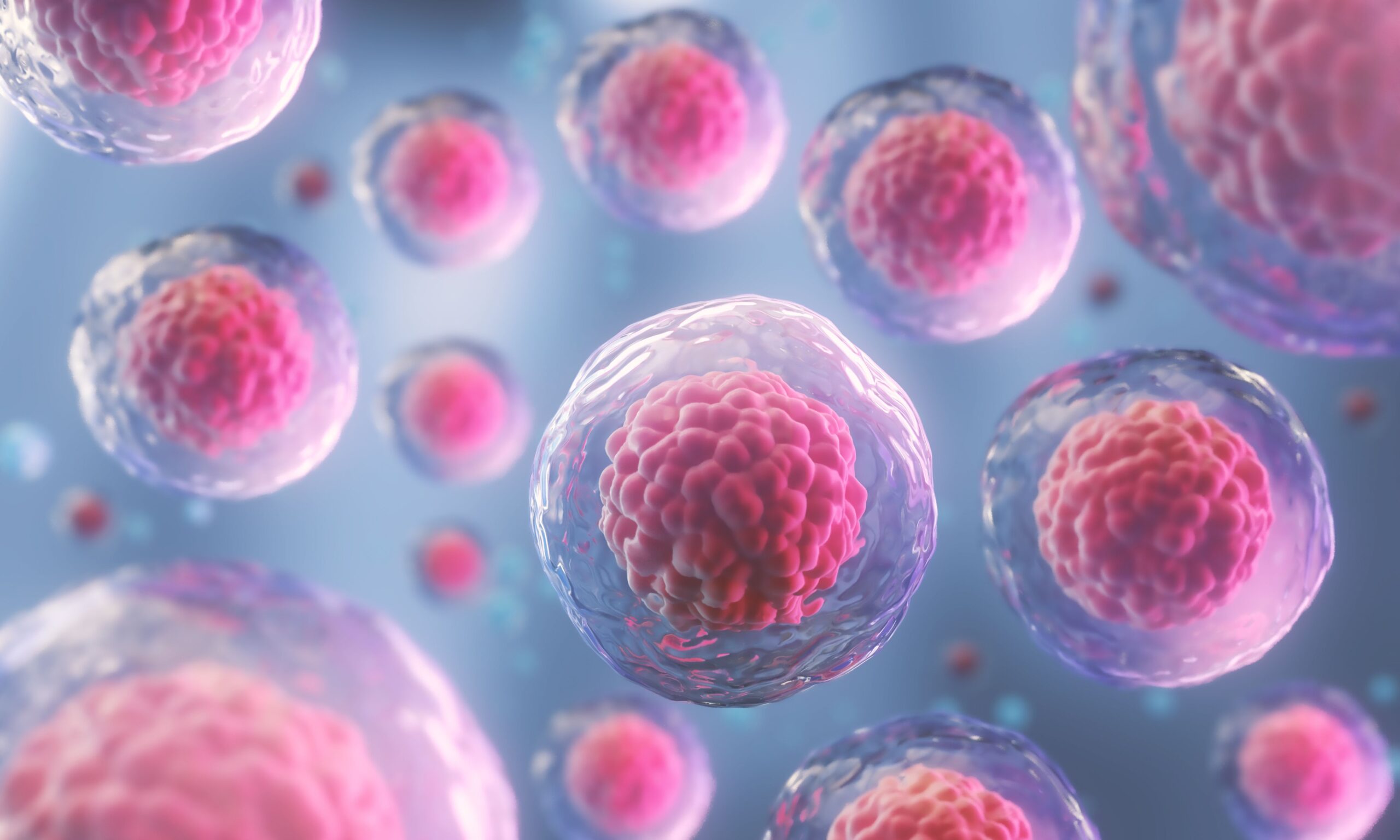
Researchers have studied mesenchymal stem cells for their role in cellular signaling and tissue support functions.
Exosomes are small extracellular vesicles examined in research for their role in cell-to-cell communication.
The secretome refers to substances released by cells, which researchers analyze to better understand biological signaling processes.
Muse cells are a subset of stem cells studied for their unique biological characteristics described in scientific literature.
The source of stem cells plays a critical role in safety, ethics, and quality. NOVA Stem Cells focuses on ethically sourced, responsibly handled biologic materials.
Umbilical cord tissue is widely researched due to its richness in regenerative biologic components.
Common Umbilical Cord Sources Include:
Wharton’s Jelly is a gelatinous substance found within the umbilical cord and is a recognized source of mesenchymal stem cells and signaling factors.
All biologic materials are sourced under strict ethical guidelines:
Ethical integrity is a core principle in regenerative biologic sourcing.
Stem cell-related research and biologic materials fall under FDA regulation and oversight. While these materials are regulated, they are not FDA-approved for the treatment of diseases or medical conditions.
Biological materials are:
Testing is conducted to ensure safety and quality standards are met.
According to published research, certain biologic materials are studied for their compatibility within biological environments. Researchers have observed low immune response indicators in some laboratory settings; however, these findings are research-based observations and not clinical guarantees.
This content is for educational purposes only. NOVA Stem Cells does not make medical claims or provide medical advice.